
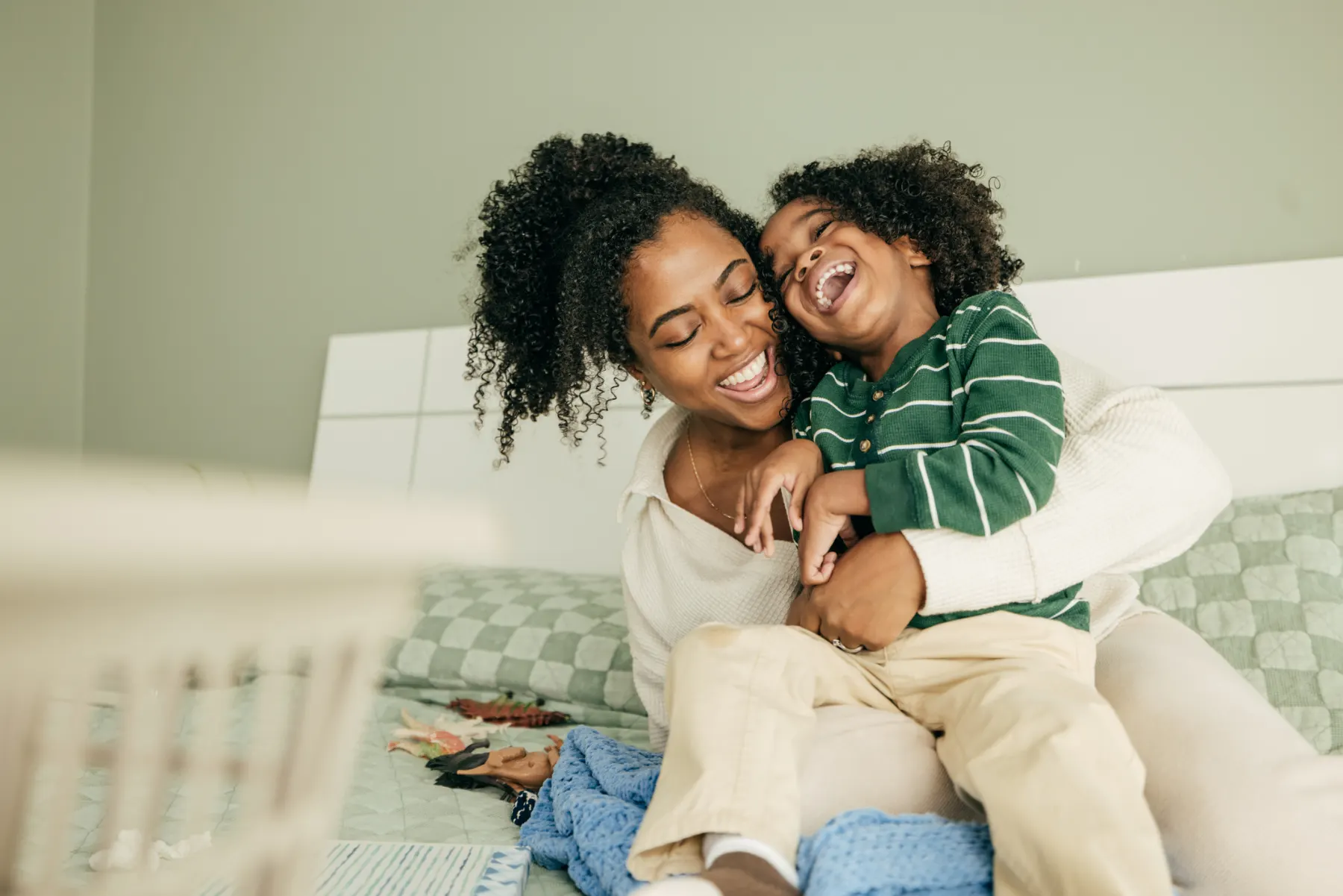
Raising a child is full of big feelings—yours and theirs. From excitement and pride to frustration and tears, learning how to navigate emotions is a huge part of growing up. The good news? You don’t need a special curriculum or fancy tools to help your child build social-emotional skills. Many of the most important lessons happen naturally at home during everyday moments.
At Owl Hill Learning Academy, we know that social-emotional growth is key to a child’s success. While we nurture these skills at school through supportive relationships and intentional activities, the skills learned at home reinforce confidence, empathy, and resilience, which children will carry for life.
What Is Social-Emotional Development (And Why It Matters)
You’ve probably heard the term before. In plain language, social-emotional development is about helping your child:
- Recognize and understand their feelings
- Express themselves in healthy ways
- Get along with others and build friendships
- Solve problems and handle challenges
Kids with strong social-emotional skills often feel more confident, communicate better, and handle everyday ups and downs with ease. And the best part is that supporting these skills doesn’t have to be complicated.
Create a Safe, Supportive Home
Children learn best when they feel safe. A predictable, loving home environment gives them the confidence to explore feelings and take on challenges.
- Stick to simple routines for meals, bedtime, and play
- Reassure your child during changes or stressful situations
- Let your child know it’s okay to feel a wide range of emotions
Even small gestures, like listening without judgment when they’re upset, show your child that their feelings matter.
Talk About Feelings Every Day
Helping children name their emotions is one of the simplest ways to support their growth. Try weaving short conversations about feelings into daily life:
- “I can see you’re frustrated that the puzzle isn’t fitting together.”
- “You’re so proud of yourself for trying something new. That’s awesome!”
Reading together is another great opportunity. Pause during stories to ask questions like, “How do you think this character feels?” or “What could they do next?” Talking about feelings helps kids build empathy and self-awareness.
Be a Role Model
Kids watch everything we do, so how you handle your own emotions matters more than anything you say. Try to:
- Show your emotions in healthy ways, such as saying, “I’m feeling tired, so I’m taking a few deep breaths.”
- Solve problems calmly instead of reacting in frustration.
- Demonstrate kindness, patience, and empathy.
When children see adults handle feelings thoughtfully, they learn to do the same.

Encourage Play and Social Time
Play is more than fun. It’s how children practice life skills. Through play, children learn to share, cooperate, and navigate emotions.
- Encourage imaginative play that lets your child explore different roles.
- Support turn-taking and sharing during games.
- Arrange playdates or group activities when possible.
Even independent play is valuable because it helps children develop confidence, creativity, and self-direction.
Teach Simple Problem-Solving and Coping Skills
Rather than stepping in to fix every problem, guide your child to find solutions. Ask open-ended questions like:
- “What do you think we could try?”
- “How could this make your friend feel?”
You can also introduce easy coping strategies, such as taking deep breaths, counting to ten, or using words to express feelings. These small tools give children a sense of control and help them handle challenges calmly.
Partner With Your Child’s School
Working together with your child’s teachers strengthens social-emotional learning. Ask about classroom routines, skills being emphasized, and ways you can reinforce them at home. At Owl Hill Learning Academy, we focus on helping each child grow emotionally through supportive relationships and age-appropriate activities. When parents and educators team up, children thrive even more.
Every Moment Counts
Social-emotional development doesn’t happen overnight. It grows through daily interactions, patience, and encouragement. By creating a safe environment, talking about feelings, modeling healthy behavior, and offering opportunities for play and problem-solving, you’re giving your child tools that will last a lifetime.
Remember, you don’t need to be perfect. Every hug, conversation, and shared experience contributes to your child’s emotional growth—and that is what really matters.
