
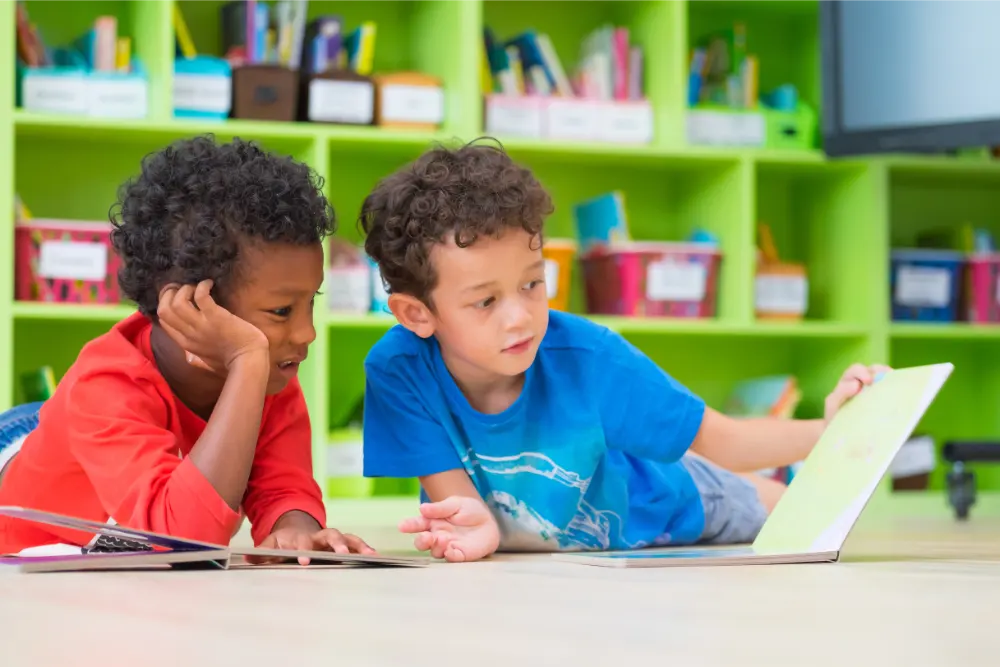
Early literacy is not just about reading books; it is about building a foundation of language, listening, and print awareness through daily interactions. At Owl Hill Learning Academy (OHLA), we integrate literacy into every part of the day—from rhyming during transitions to labeling our classrooms. By turning routine moments into “literacy moments,” we help children in Lancaster County develop the essential skills needed for lifelong academic success.
At Owl Hill Learning Academy, we believe that every interaction is an opportunity for learning. Whether a child is 12 months or 11 years old, language and literacy development are at the heart of our mission. Early literacy is not a subject taught in isolation; it is a vibrant, living practice that we weave into the fabric of our daily routines in Lititz and across Lancaster County.
The Power of “Everyday Literacy”
Many parents are surprised to learn that you don’t need formal lessons to build a strong foundation for reading and writing. One of the most cited studies in early childhood development — conducted by researchers Hart and Risley in 1995 — found that the casual conversations parents have during daily routines are the single strongest predictor of a child’s future vocabulary size and school success.
At OHLA, we put that research into practice by integrating literacy into play and routine: connecting spoken words to physical actions, labeling the environment, and engaging in “serve and return” conversations that help children realize print holds meaning and language is a powerful tool for connection.
How OHLA Brings Literacy to Life
In our classrooms, we embrace a play-based curriculum that aligns with PA early learning standards. Here is how we turn “everyday” into “extraordinary” learning:
- Rhymes and Transitions: We use songs and rhymes during transitions (like moving from snack time to circle time) to help children develop phonological awareness—the ability to hear and manipulate the sounds in language.
- Print-Rich Environments: We label bins, shelves, and learning centers. This helps children begin to link written words to the physical objects they interact with every day.
- Narrating Routines: Our teachers narrate their actions during the day. Phrases like “I am pouring the water into the blue cup” help children build vocabulary and connect verbs to actions.
- Interactive Read-Alouds: Reading isn’t a passive experience at OHLA. We ask open-ended questions before, during, and after a story to build comprehension and critical thinking.
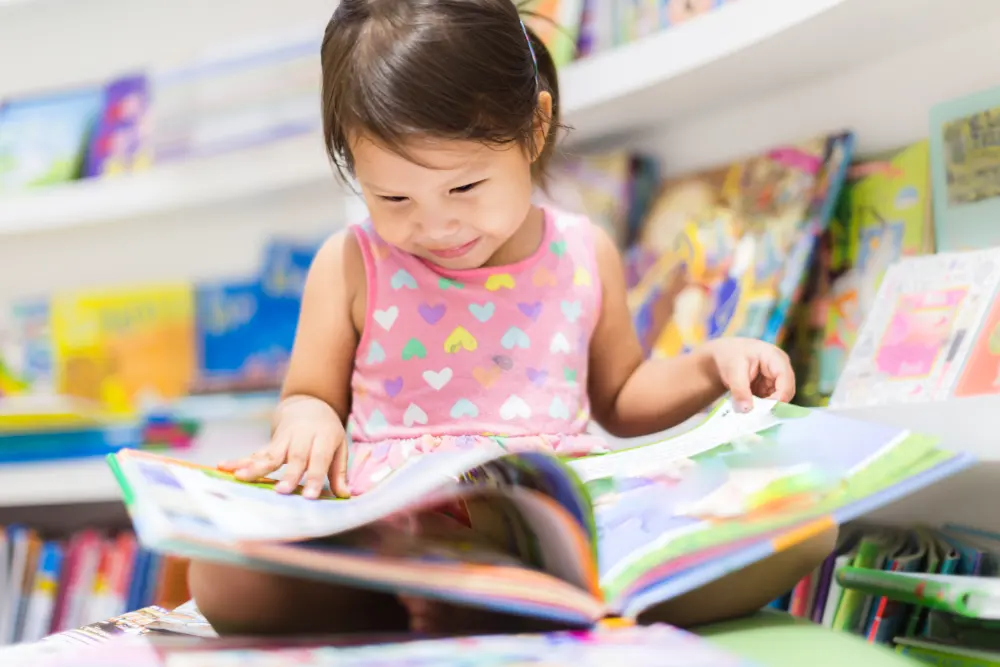
Tips for Families: Literacy at Home
You are your child’s first and most important teacher. You can extend the learning from our classrooms into your home with these simple, effective habits:
- Talk Throughout the Day: Whether you are grocery shopping or folding laundry, talk about what you are doing. Use descriptive words (e.g., “colander” instead of “bowl”) to expand their vocabulary.
- Create a “Writing Station”: Keep paper, markers, and crayons accessible. Encourage your child to “write” grocery lists, sign their name on artwork, or draw stories.
- Find Rhymes Everywhere: Point out rhyming words in books or play games like “I Spy” with beginning letter sounds.
- Make Books Part of the Routine: Even five minutes of reading before bed or during a quiet moment can build a love of storytelling.
Frequently Asked Questions
Early literacy is built on four main pillars: listening, talking, reading, and writing. Each of these skills is interconnected. By listening to stories and talking through daily routines, children gain the vocabulary and phonetic awareness necessary to eventually decode written words.
Play provides the context that makes learning meaningful. When children play “restaurant,” they are practicing writing (taking orders) and oral language (talking to customers). When they play with playdough, they are strengthening the fine motor muscles required for holding a pencil later on.
Absolutely not! Literacy starts from infancy. Even babies benefit from hearing language, nursery rhymes, and being exposed to books. At Owl Hill Learning Academy, we tailor our activities to each child’s age and ability, ensuring every student gets the support they need to thrive.
At Owl Hill Learning Academy, we are proud to be your partners in your child’s development. We invite you to learn more about our facility in Lititz or about our Pre-K Counts and childcare programs serving Lancaster County. Together, let’s foster a lifelong love of learning.
Join the Owl Hill Family: Schedule Your Tour Today
Every ordinary moment holds the potential to spark a lifelong love for reading and learning. At Owl Hill Learning Academy, we turn those moments into a powerful foundation for your child’s academic future. If you are ready to see how our play-based curriculum and dedicated educators can support your child’s growth, we would love to welcome you into our community. Contact Owl Hill Learning Academy today to schedule a tour of our Lititz facility or to learn more about our Pre-K Counts and early childhood programs across Lancaster County. Let’s take the first step together.
