
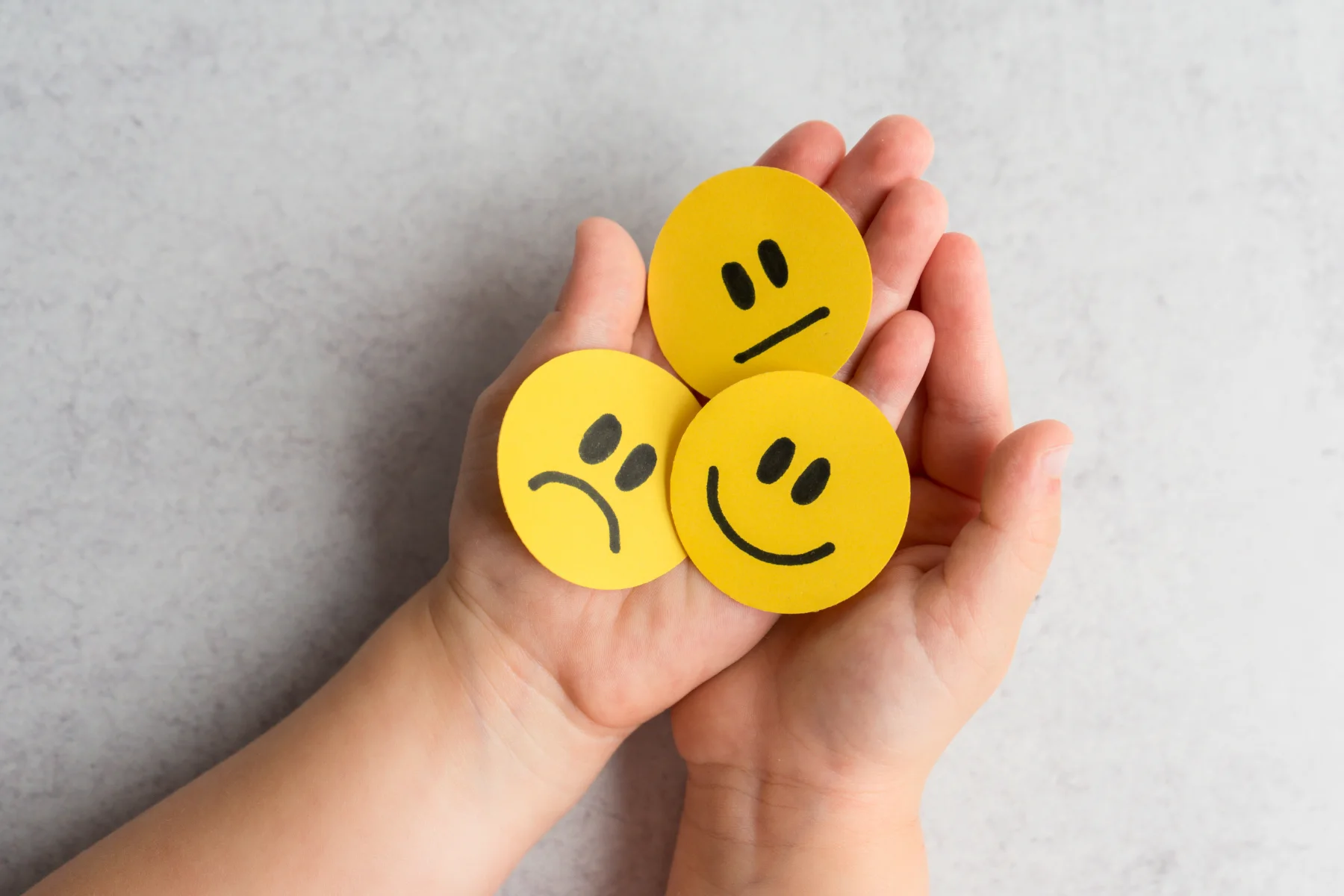
Big feelings are a normal part of childhood. Excitement, frustration, anger, sadness, fear, and disappointment can all feel overwhelming to young children who are still learning what emotions are and how to handle them. Learning to manage those feelings is an important part of early childhood development—and it is a skill that takes time, practice, and support.
At Owl Hill Learning Academy in Lititz, PA, we help children build the emotional awareness and self-regulation skills they need to navigate everyday experiences with greater confidence.
Why Do Young Children Have Such Big Feelings?
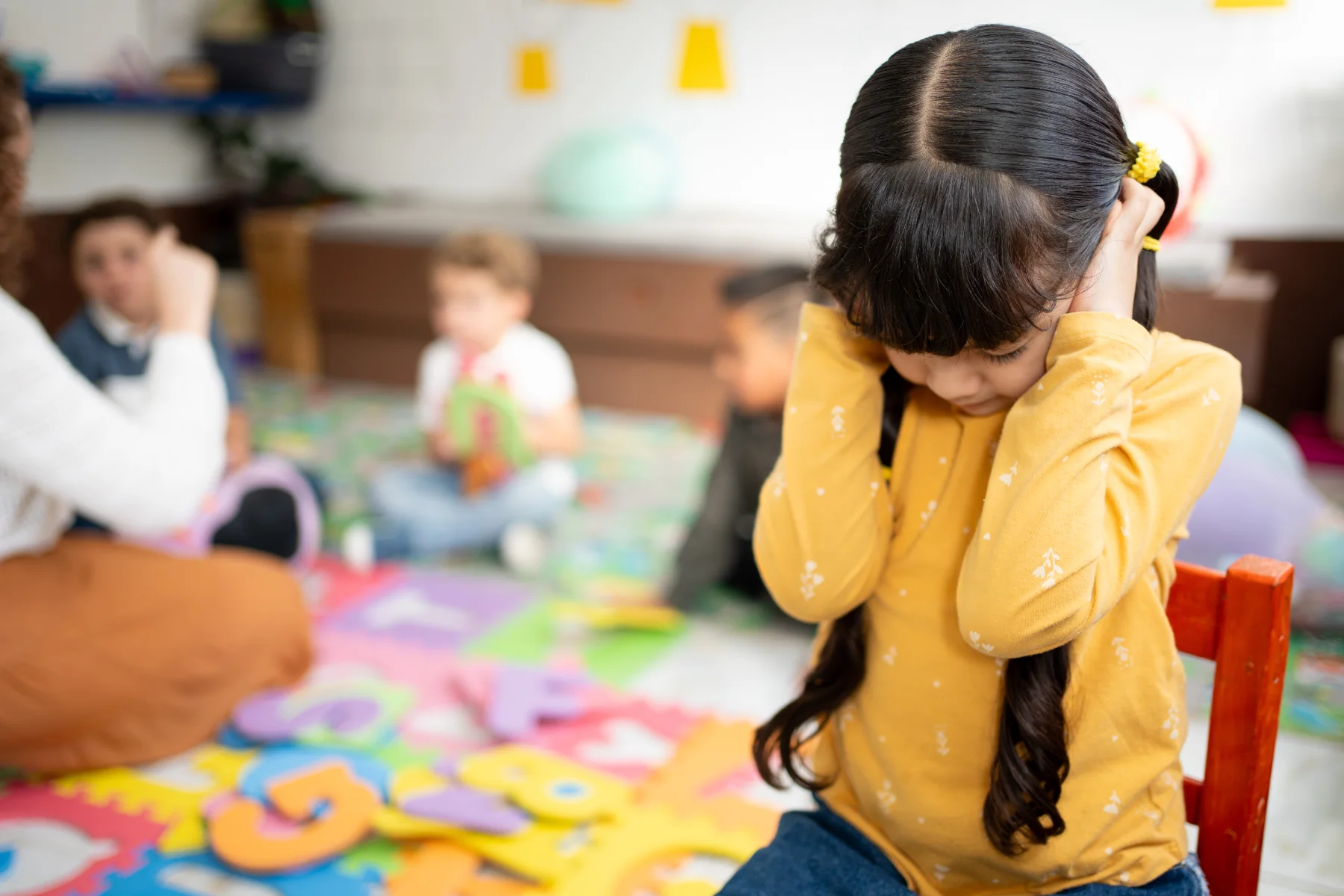
Young children are still developing the ability to identify, communicate, and regulate their emotions. A preschooler may understand that they are upset without knowing how to explain why or what to do about it.
Big reactions can happen when a child is:
- Frustrated because something isn’t going as planned
- Tired, hungry, overstimulated, or overwhelmed
- Having difficulty sharing or taking turns
- Experiencing disappointment or a change in routine
- Learning to communicate wants and needs
- Struggling with a new or unfamiliar situation
These moments aren’t simply “bad behavior.” They are opportunities for children to learn how to recognize and manage their emotions.
How Can Parents Help Children Manage Big Feelings?
Children learn emotional regulation through repeated experiences with supportive adults. Instead of expecting young children to calm themselves immediately, adults can help them develop the skills they will eventually use independently.
Name the Feeling
Help your child put words to what they are experiencing. Saying, “You seem really frustrated that the blocks fell down,” can help connect the physical experience of an emotion with a word for it.
Stay Calm and Connected
Children often look to adults for cues about how to respond to stressful situations. A calm voice, reassuring presence, and patient response can help a child feel safe while they work through a difficult emotion.
Set Clear, Consistent Limits
Acknowledging a child’s feelings does not mean allowing unsafe or inappropriate behavior. You can say, “It’s okay to be angry. It’s not okay to hit.” This teaches children that all feelings are acceptable while certain behaviors are not.
Teach Simple Coping Strategies
Young children can learn age-appropriate ways to calm their bodies, such as taking slow breaths, getting a drink of water, moving to a quiet space, asking for help, or taking a short break. Practice these strategies when your child is calm so they are easier to use during an emotional moment.
Give Children Time to Practice
Emotional regulation isn’t learned overnight. Children need repeated opportunities to experience feelings, receive support, try different strategies, and learn from what happens. Consistency between home and school can make that learning even more effective.
Building Emotional Skills at Owl Hill Learning Academy
At Owl Hill Learning Academy, social-emotional development is an important part of the early learning experience. Our teachers create a supportive environment where children can learn to express themselves, interact with others, solve problems, and work through everyday frustrations.
Through play, classroom routines, conversations, and positive guidance, children have opportunities to practice skills such as identifying emotions, communicating their needs, cooperating with classmates, and finding appropriate ways to handle frustration.
For families in Lititz and throughout Lancaster County, PA, choosing an early learning program that supports the whole child can help lay the foundation for success both in the classroom and beyond.
Frequently Asked Questions
Social-emotional development helps young children learn how to identify their feelings, regulate their impulses, communicate needs, and build positive peer relationships. At Owl Hill Learning Academy in Lititz, PA, embedding emotional growth into early learning builds the self-confidence, problem-solving skills, and resilience children need for a smooth transition to kindergarten and future academic success.
Parents can support emotional regulation by labeling the emotion (e.g., “I see you’re feeling frustrated”), staying calm to co-regulate, setting clear behavioral boundaries, and practicing simple coping strategies—like taking slow breaths or taking a quiet sensory break—when the child is calm. Consistent responses between home and preschool help reinforce these healthy emotional habits.
Our educators in Lititz integrate social-emotional learning into daily routines through cooperative play, guided problem-solving, and positive guidance. We offer children across Lancaster County a safe, structured space to navigate challenges, share experiences, and learn constructive ways to handle big emotions alongside their peers.
Families should look for a program that values emotional and social growth alongside foundational academics. A quality early learning center—such as Owl Hill Learning Academy in Lititz, PA—offers supportive, trained educators, positive reinforcement, consistent classroom routines, and intentional opportunities for children to build confidence and independence through play.
Helping Children Grow Into Confident, Resilient Learners
Children don’t need to avoid big feelings. They need caring adults who can help them understand those feelings and learn what to do with them. With patience, consistency, and practice, children can gradually develop the emotional regulation skills they need to handle challenges, build healthy relationships, and become more confident in themselves.
At Owl Hill Learning Academy, we believe every big feeling is also an opportunity to learn, grow, and connect.
