
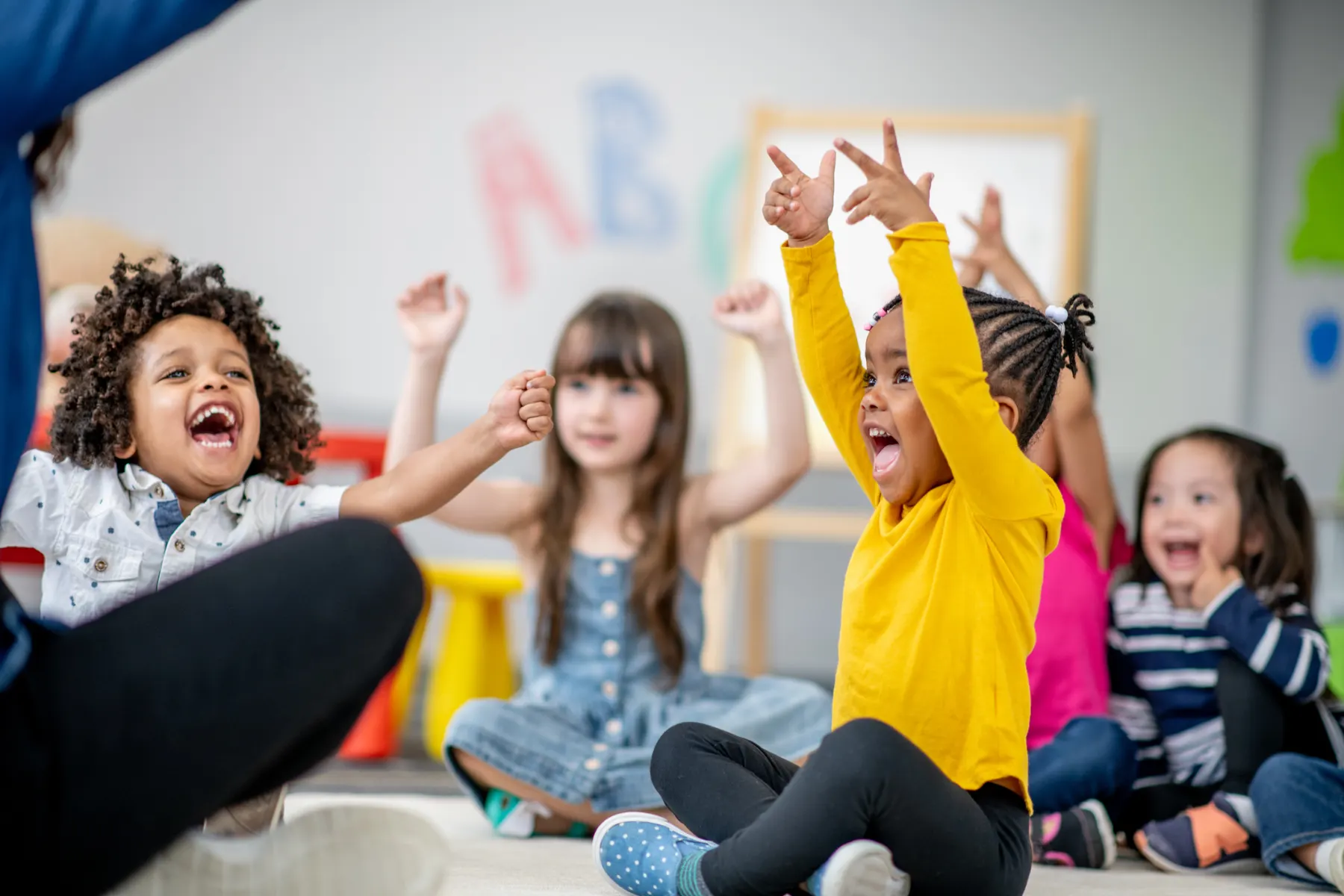
Kindergarten readiness involves more than academics. Many parents wonder whether their child has the social, emotional, and practical skills needed to thrive in a classroom environment.
How Do I Know If My Child Is Ready for Kindergarten?
Most children are ready for kindergarten when they can follow directions, communicate their needs, participate in group activities, and manage age-appropriate tasks independently. Kindergarten readiness includes academic, social, emotional, and self-help skills — not just knowing letters and numbers.
Quick Kindergarten Readiness Signs
✔ Follows simple directions and routines
✔ Recognizes some letters, numbers, colors, and shapes
✔ Participates in group activities
✔ Uses the bathroom independently
✔ Communicates needs and feelings appropriately
✔ Practices sharing, listening, and taking turns
At Owl Hill Learning Academy, we help preschoolers throughout Lititz and Lancaster County build the academic, social, and emotional skills needed for a confident transition into kindergarten through nurturing, play-based learning experiences.
Most children entering kindergarten should demonstrate basic social-emotional, communication, self-care, and early academic skills. Kindergarten readiness is less about perfect reading or math abilities and more about confidence, independence, listening skills, emotional regulation, and a willingness to learn.
In Pennsylvania, kindergarten is the beginning of a child’s formal academic journey. While many parents focus on reading and math, PA state guidelines emphasize that Social and Emotional Development is the foundation for all other learning.
Use this checklist to track your child’s progress as they prepare for the transition.
Is my Child Socially and Emotionally Ready for Kindergarten?
Social and emotional foundations are the “power skills” that help children navigate a classroom of 20+ peers. Consider these clues when looking for social and emotional readiness:
- Following Directions: Can follow 2- to 3-step directions (e.g., “Put your coat away, wash your hands, and join us on the rug”).
- Separation: Adjusts to new situations and can stay at school without a parent or guardian.
- Regulation: Uses words to express feelings (“I’m frustrated”) rather than physical actions.
- Focus: Can sit and attend to a single activity or story for 10–15 minutes.
- Independence: Can clean up toys and take responsibility for their own belongings.
What Literacy Skills Should a Child Have Before Kindergarten?
One of the most important differences between preschool and daycare is the focus on social-emotional development. Preschool Children entering kindergarten are not expected to read. But there are ways to determine if they possess a foundation for literacy:
- The Name Game: Recognizes their own first name in print and can write it (even if the letters are “bumpy”).
- Book Handling: Knows how to hold a book right-side up and turns pages from front to back.
- Phonics: Recognizes at least 10–15 letters of the alphabet and can identify the beginning sound of simple words (e.g., “B is for Banana”).
- Rhyming: Enjoys and identifies rhyming words in songs or stories.
Early Math Skills That Support Kindergarten Success
PreschoThere’s more than meets the eye when preschoolers play with building blocks. Sorting objects, recognizing shapes, noticing patterns, and comparing sizes all help build the foundation for early math and reasoning skills. Through everyday play and guided learning experiences, children begin developing important kindergarten-readiness concepts like:
- Counting: Can count out loud from 1 to 20
- Quantity Awareness: Understands that the number “3” represents three physical objects
- Shapes & Colors: Identifies basic shapes like circles, squares, triangles, and rectangles, along with primary colors
- Patterns: Can recognize and repeat simple patterns such as Red-Blue-Red-Blue
Self-Care and Motor Skills for Kindergarten Readiness
You might hear the phrase “play-based learning” and wonder what it really means. At Owl Hill Learning Academy, play is These skills show growing independence and help children feel confident in a kindergarten classroom setting.
- Personal Hygiene: Uses the bathroom independently, including wiping and washing hands properly.
- Outerwear: Can put on their own coat and is beginning to work on zipping or buttoning it.
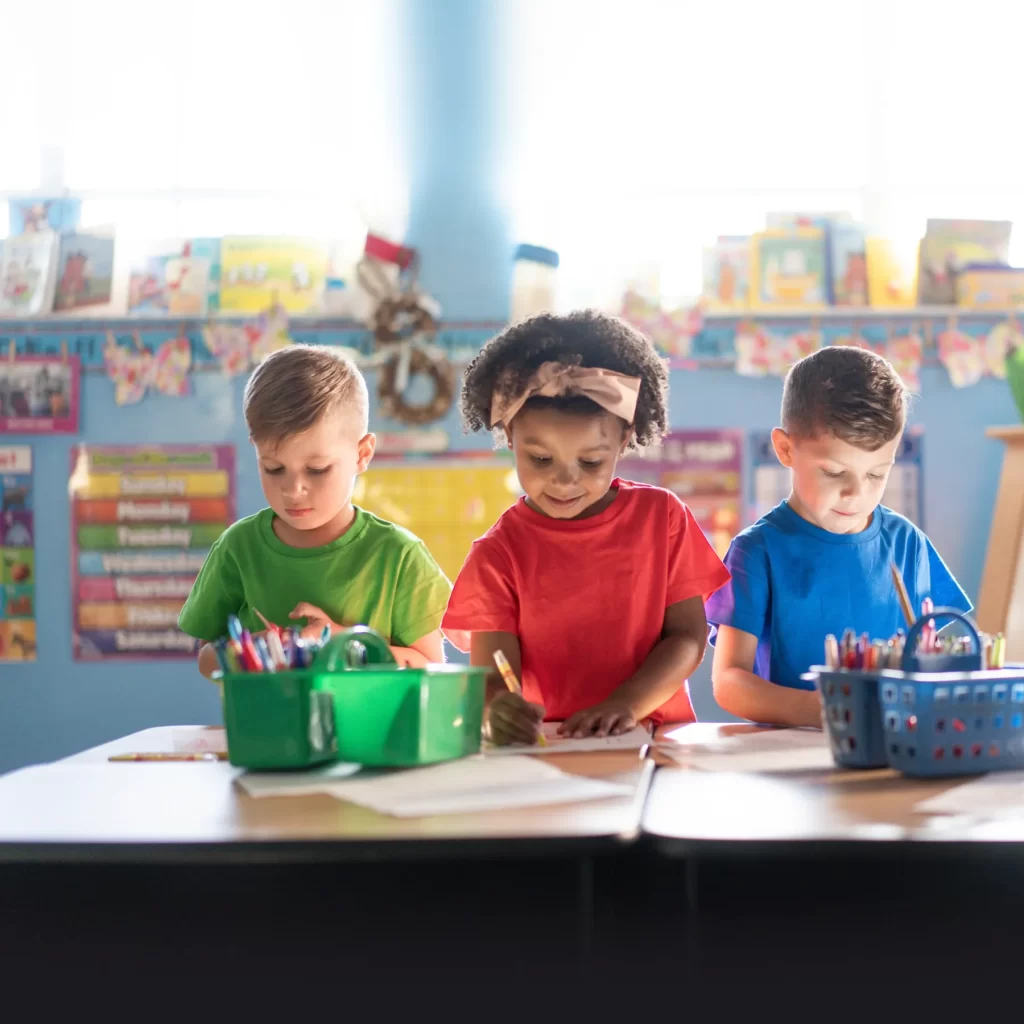
- Tool Use (Fine Motor Skills): Holds a pencil or crayon using a tripod grip (rather than a fist grip) and can use child-safe scissors to cut along a straight line.
Local Lancaster County Registration Guide
Most local districts require four essential documents to register:
- Child’s Birth Certificate
- Immunization Records
- Proof of Residency (usually 2 forms, like a utility bill or lease)
- Parent/Guardian Photo ID
Below is a quick-reference guide for the districts surrounding Owl Hill Learning Academy.
| School District | Age Cut-Off Date | Registration Typically Opens |
| Warwick | Age 5 on or before Sept 15 | Early January |
| Hempfield | Age 5 on or before Sept 1 | Mid-January |
| Manheim Township | Age 5 on or before Aug 31 | Early January |
| Lampeter-Strasburg | Age 5 on or before Sept 1 | February |
| Conestoga Valley | Age 5 on or before Sept 1 | Check their registration page. |
Frequently Asked Questions
No. Kindergarten readiness involves social, emotional, communication, and early academic skills. Many children enter kindergarten still developing reading skills.
Following routines, participating in group activities, communicating needs, sharing, listening, and basic recognition of letters, numbers, colors, and shapes can all support kindergarten success.
Preschool can help children build academic, social, emotional, and self-help skills through structured routines, play-based learning, and guided interaction.
How Owl Hill Learning Academy Bridges the Gap
At Owl Hill, our preschool programs are designed to “check the boxes” on this kindergarten readiness list. Our curriculum is aligned with the PA Core Standards, ensuring that when your child leaves our school, they aren’t just “ready” for kindergarten—they are prepared to thrive.
