
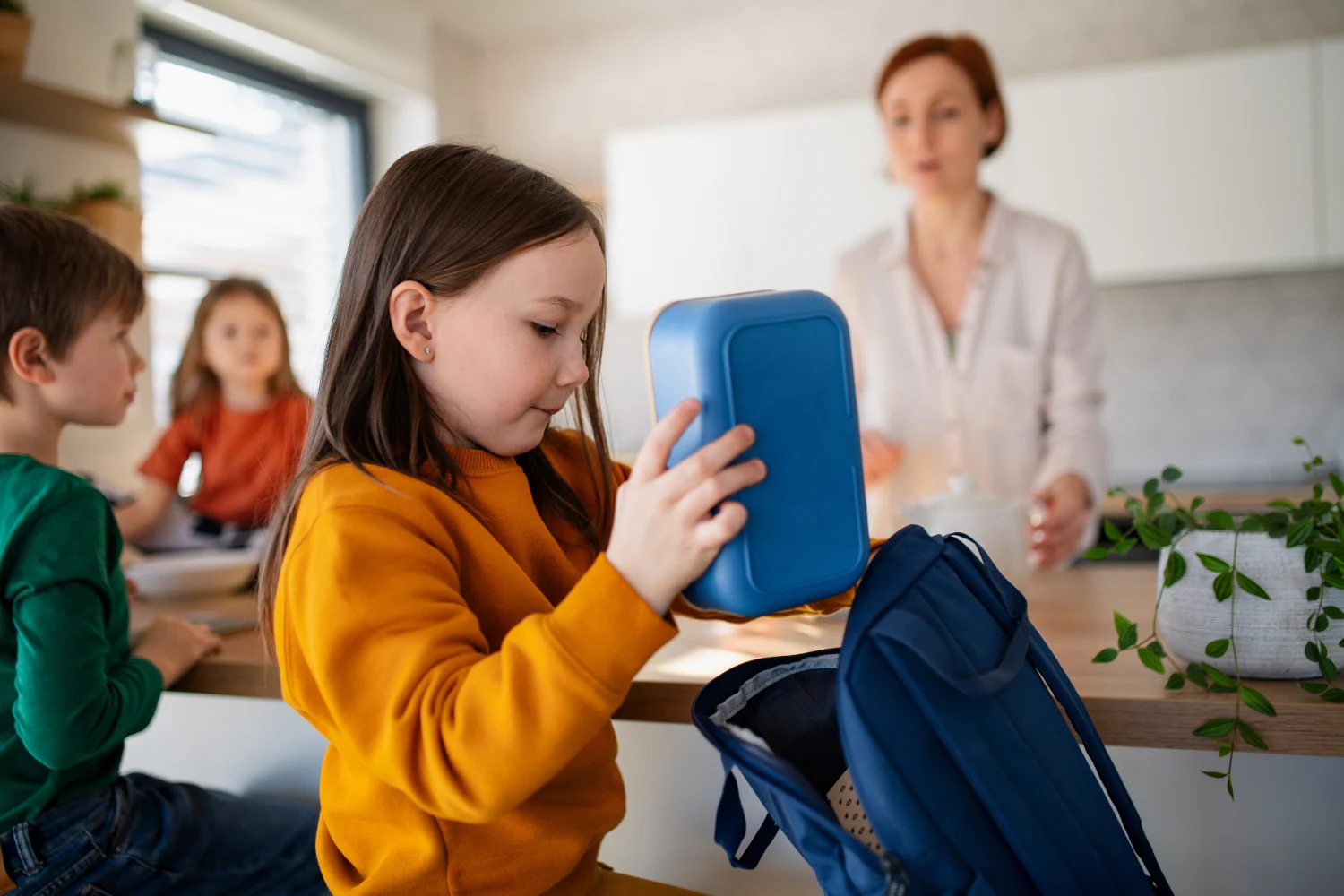
When young children know what comes next, everything gets a little easier. Simple routines bring more peace to rushed mornings, quiet down bedtime power struggles, and keep weekends enjoyable for the whole family. More importantly, they give kids room to try things on their own and build confidence.
Routine isn’t about watching the clock—it’s just about having a recognizable flow to the day. At Owl Hill Learning Academy, we find that giving preschoolers this comfortable framework makes a world of difference in preparing them for kindergarten and beyond.
Creating a Morning Routine
Mornings can be challenging when children are asked to move quickly from one activity to another. A consistent morning routine can help children understand what needs to happen before the day begins.
A simple routine might include:
- Getting dressed
- Using the bathroom and brushing teeth
- Eating breakfast
- Packing a backpack
- Putting on shoes and a coat
- Leaving for school
Whenever possible, give your child opportunities to do age-appropriate tasks independently. A preschooler may be able to choose between two outfits, put pajamas away, or carry their backpack to the door.
A picture chart showing each step can also help young children follow the routine without needing repeated reminders. Keep the sequence consistent, even if the exact timing changes from day to day.
Establishing an Evening Routine
An evening routine helps children transition from the day’s activities to bedtime. Keeping the same general order each night makes the process feel familiar; it gives children time to slow down.
A bedtime routine might include:
- Having dinner and engaging in quiet play
- Taking a warm bath and putting on pajamas
- Brushing teeth and reading a favorite story
- Turning off the lights and settling down for sleep
Limiting stimulating activities and screens as bedtime approaches can also help children prepare for sleep. Try to keep bedtime and the steps leading up to it reasonably consistent. Children do not need every evening to unfold exactly the same way, but knowing what comes next can make bedtime easier to manage.

Keeping Weekends Consistent
Weekends are a good opportunity to relax, but completely abandoning routines can make the transition back to school difficult. Don’t worry about following the weekday schedule exactly. Instead, keep a few important routines in place.
For example, your child might still:
- Get dressed and start the day
- Eat meals around familiar times
- Help clean up after activities
- Follow a similar bedtime routine
You can also use weekends to introduce responsibilities such as putting toys away, helping set the table, or choosing clothes for the next day. Flexible routines let children enjoy relaxing family time while maintaining the structure they rely on.
Tips for Making Routines Work
The best routines are simple enough for your child to understand and realistic enough for your family to maintain. Start with one part of the day that tends to be difficult, and build a routine around it rather than trying to change everything at once.
- Keep instructions short and specific.
- Offer simple choices when appropriate.
- Praise your child when they complete a task independently.
- Be flexible. If a routine is not working, adjust it. Children grow and their needs change, so routines should grow with them.
Most importantly, remember that consistency matters more than perfection. Be realistic. A missed step or unusual day will not undo a routine that works well most of the time.
Frequently Asked Questions
Routines give young children a predictable flow to their day, which helps reduce anxiety, eases difficult transitions like mornings and bedtimes, and builds independence. Knowing what comes next provides children with the security and confidence they need to practice self-help skills—laying a strong foundation for preschool and kindergarten.
Keep instructions short and use visual tools, such as a simple picture chart displaying each step in order (e.g., getting dressed, brushing teeth, grabbing a backpack). Offering simple choices—like picking between two outfits—and praising independent efforts also motivates children to take ownership of their tasks.
No, weekends do not need to follow strict weekday timing. The goal is rhythm rather than rigid schedules. Keeping key anchor habits in place—such as consistent meal windows, a familiar bedtime sequence, and basic self-care tasks—allows the family to relax while avoiding difficult Monday morning transitions.
Focus on consistency over perfection. An unusual day, illness, or missed step will not derail long-term progress. If a specific routine regularly causes frustration, adjust the steps to better fit your child’s developmental stage, tackle one time of day first, and ease back into the familiar sequence when ready.
Building Skills Beyond the Home
Routines at home give children opportunities to practice skills they use in preschool and throughout childhood. Following directions, managing personal belongings, making choices, completing simple tasks, and transitioning between activities all contribute to growing independence.
At Owl Hill Learning Academy in Lititz, PA, we provide a nurturing environment where young children can develop confidence, independence, and the social and practical skills that support their early learning. When home and school routines work together, children have more opportunities to know what to expect and take an active role in their day.
Ready to see how we can support your family?
Looking for a quality preschool and childcare program in the Lititz area? Contact Owl Hill Learning Academy to learn more about our programs and find the right fit for your child.
