
When you’re choosing childcare for your child, you may be comparing options often referred to as daycare or preschool. It’s natural to wonder: Is preschool really that different from daycare?
At first glance, preschool can look like daycare (or childcare, a term that is becoming more broadly used). Both provide a safe, nurturing environment while you’re at work. But high-quality preschool programs, like those at Owl Hill Learning Academy, go far beyond supervision. They are designed with intention, structure, and a deep understanding of how young children learn and grow.
It’s Not Just Care, It’s Early Education
Daycare focuses primarily on meeting a child’s basic needs—safety, meals, and playtime. Preschool, on the other hand, introduces a thoughtfully designed curriculum that supports early learning in meaningful ways.
At Owl Hill, children aren’t just passing time. They’re:
- Exploring early math and literacy concepts
- Building vocabulary through conversation and storytelling
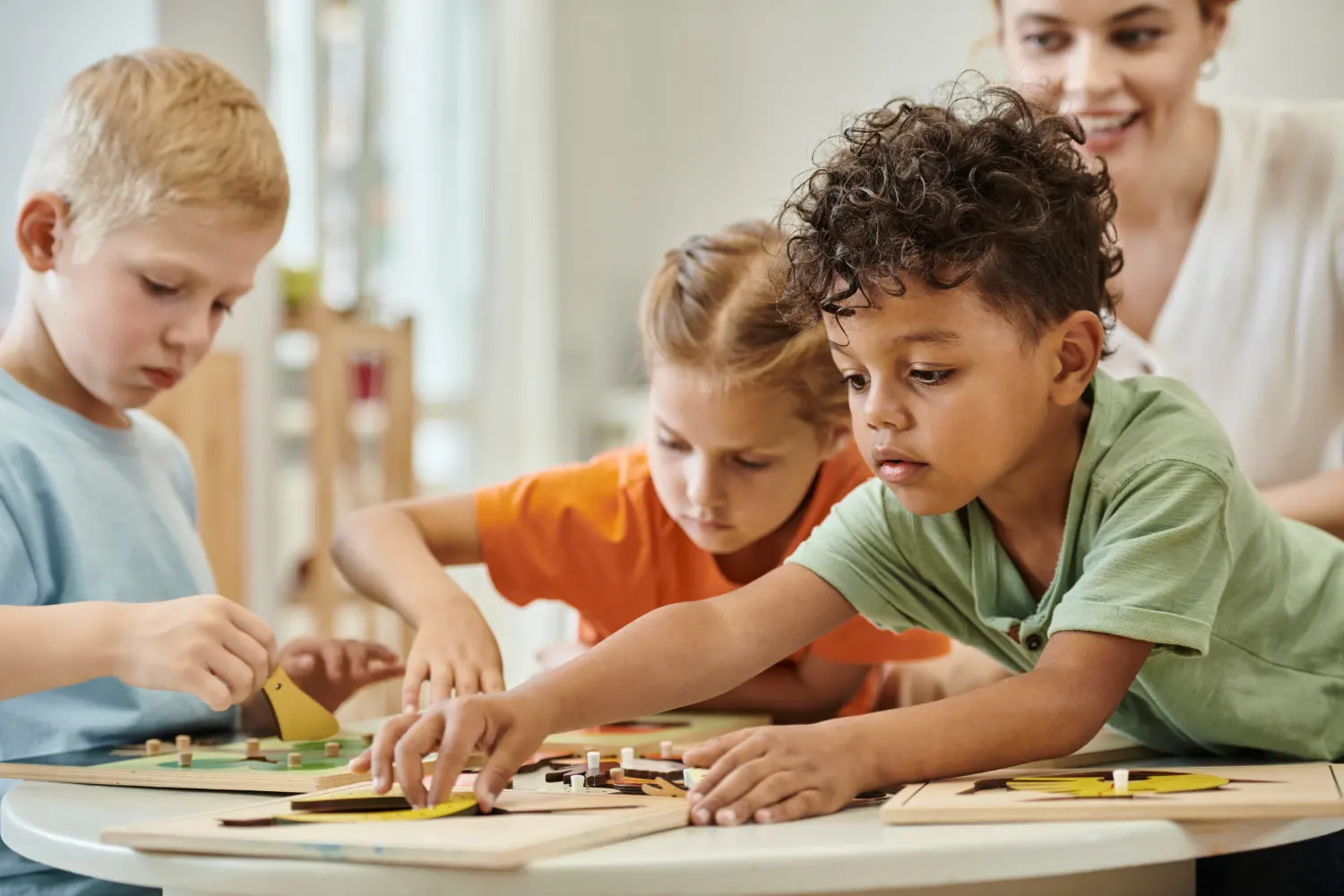
- Engaging in hands-on activities that spark curiosity
All of this happens through play-based learning, which is how young children naturally absorb new ideas.
Social and Emotional Growth Takes Center Stage
One of the most important differences between preschool and daycare is the focus on social-emotional development. Preschool helps children learn how to:
- Share and take turns
- Express feelings appropriately
- Build friendships
- Develop confidence and independence
These skills don’t just prepare children for kindergarten. They shape how they interact with the world for years to come.
Structure That Builds Confidence
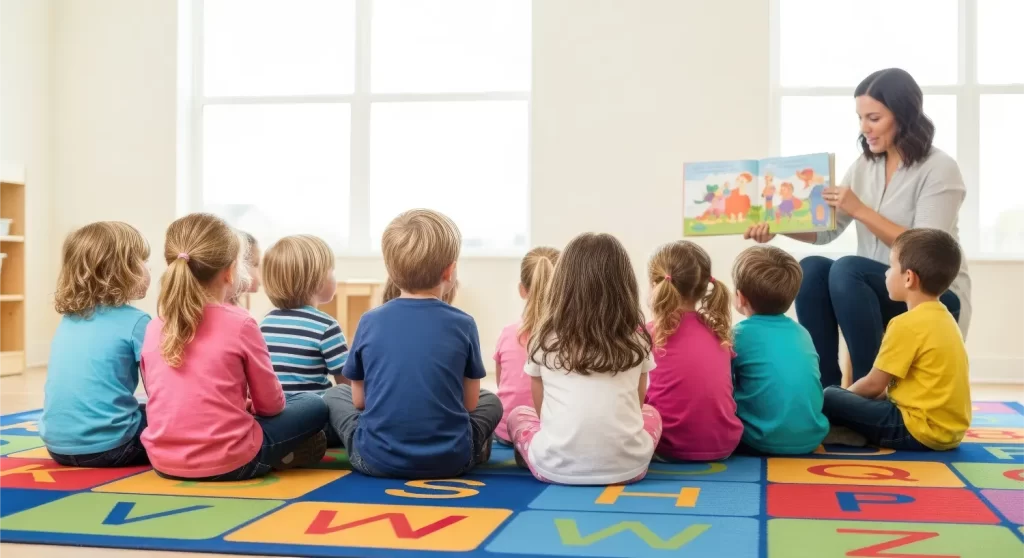
Preschool programs follow a consistent daily routine that includes group time, learning activities, outdoor play, and rest. This structure helps children feel secure and understand what to expect.
Over time, the intentional routines in preschool teach important life skills like:
- Following directions
- Transitioning between activities
- Managing time and expectations
These may seem like small things, but they make a big difference when children enter a more structured school environment.
Learning Through Play (With Purpose)
You might hear the phrase “play-based learning” and wonder what it really means. At Owl Hill Learning Academy, play is intentional and guided by experienced educators.
For example:
- A simple block activity becomes a lesson in problem-solving and spatial awareness
- Dramatic play encourages language development and creativity
- Art projects support fine motor skills and self-expression
Children are learning constantly, even when it looks like they’re “just playing.”
Kindergarten Readiness That Goes Deeper
Kindergarten readiness isn’t just about knowing letters and numbers. It’s about being ready to learn.
A strong preschool program helps children:
- Listen and follow instructions
- Participate in group settings
- Stay engaged in activities
- Approach new challenges with confidence
When children leave Owl Hill, they aren’t just prepared academically. They are equipped socially and emotionally to thrive.
Teachers Who Guide, Not Just Supervise
Another key difference is the role of the teacher. In preschool, educators are trained to support early childhood development and guide learning experiences.
They observe each child’s progress, adapt activities to meet individual needs, and create an environment where every child feels supported and encouraged.
That level of intentional teaching simply goes beyond what traditional childcare typically provides.
A Foundation for Lifelong Learning
Preschool is often a child’s first introduction to a learning environment outside the home. When done right, it builds a strong foundation that shapes how they feel about school moving forward.
At Owl Hill Learning Academy, our goal is simple:
To help children develop a love of learning, confidence in themselves, and the skills they need to succeed.
